


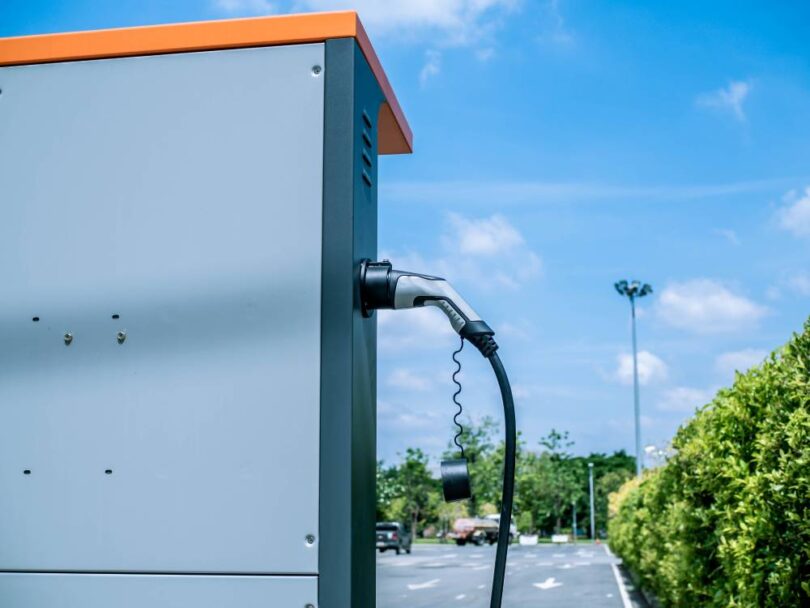
InstaVolt battery storage rollout is accelerating across the UK as the electric vehicle charging operator deploys new battery energy storage systems (BESS) to support charging infrastructure and manage growing network demand.
InstaVolt has brought five new battery-equipped charging locations online, with at least 20 additional sites planned during 2026 as part of a wider infrastructure expansion strategy.
The company says integrating battery storage into charging hubs helps reduce pressure on grid connections while improving charger performance and deployment speed.
InstaVolt battery storage rollout targets grid constraints and charging demand
The InstaVolt battery storage rollout focuses on addressing two major challenges facing public EV charging infrastructure: rising electricity demand charges and delays in securing high-capacity grid connections.
Battery energy storage systems allow charging sites to store electricity during off-peak periods and discharge it during peak demand, reducing reliance on expensive daytime grid power.
According to InstaVolt, this approach enables charging hubs to open with smaller initial grid connections while still supporting higher charging speeds for drivers. The company states that several motorway and rural locations have already benefited from improved charger performance through battery integration.
Performance data from existing battery-supported locations at Corley motorway services indicates increases in energy delivered per charging session following the upgrades.
Battery storage and the future of EV charging infrastructure
Battery storage is increasingly viewed as a key component of EV charging infrastructure, particularly as electric vehicle adoption accelerates and grid capacity constraints become more pronounced.
The InstaVolt battery storage rollout also incorporates renewable energy integration at some locations. The company’s Winchester charging hub combines battery systems with on-site solar generation, using stored electricity to support charging demand throughout the day.
Infrastructure operators are exploring energy storage as a way to improve network resilience, reduce operational costs, and support faster deployment of charging facilities without waiting for major grid upgrades.
As EV charging demand continues to rise, battery-supported charging hubs may become increasingly important in balancing energy availability, pricing stability, and infrastructure expansion across the transport sector.