


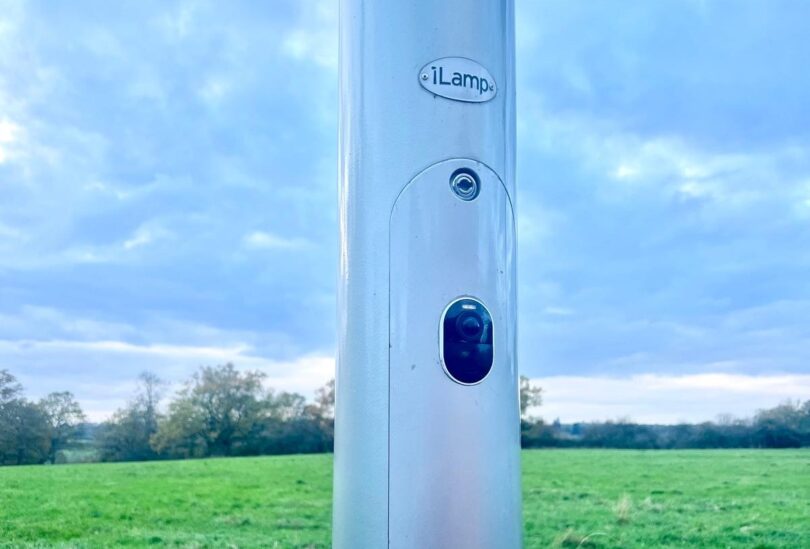
AI-powered streetlight infrastructure is gaining attention as Conflow Power Group receives Frost & Sullivan’s Global Company of the Year award for its iLamp system.
The UK-based company is developing streetlights that combine solar generation, edge computing and artificial intelligence, with the aim of transforming traditional urban infrastructure into distributed computing and energy assets.
The iLamp platform integrates solar panels and embedded processors, enabling local data processing at the point of use rather than relying on centralised data centres.
AI-powered streetlight infrastructure
The concept behind iLamp is to decentralise computing by embedding AI processing capabilities within everyday infrastructure. By processing data locally, systems can reduce latency, improve resilience and potentially lower the energy demand associated with large-scale data centres.
According to Conflow Power Group, each unit is designed to generate surplus energy through integrated solar panels, supporting both lighting and computing functions. This distributed approach reflects a broader shift toward edge computing in urban environments.
The technology is also being positioned as a potential contributor to energy resilience, particularly as global electricity demand from digital infrastructure continues to rise.
Energy and infrastructure implications
Growing demand for artificial intelligence and cloud computing is placing increasing pressure on global energy systems. Industry estimates suggest that electricity consumption from data centres is set to rise significantly over the coming decade, prompting renewed focus on efficiency and alternative architectures.
Distributed computing models, such as those proposed by iLamp, aim to reduce reliance on centralised infrastructure by shifting processing closer to where data is generated.
This approach may also support grid stability by incorporating localised energy generation, although scalability and integration with existing systems remain key considerations.
Safety, surveillance and urban deployment
In addition to energy and computing capabilities, the iLamp platform is designed to support a range of urban applications, including safety and monitoring technologies such as automated detection systems and connectivity infrastructure.
Deployments under discussion include municipal infrastructure, educational environments and commercial settings, with potential delivery models including public-private partnerships.
While such systems may offer operational benefits, their expansion also raises questions around data governance, privacy and the long-term role of AI in public spaces.
Industry context: edge computing meets urban sustainability
The convergence of renewable energy, AI and edge computing is shaping a new category of infrastructure designed to deliver both digital and environmental value.
Within this context, AI-powered streetlight infrastructure represents an emerging model where energy generation, data processing and urban services are integrated into a single platform.
For more coverage, visit our Technology & Innovation section.