

Wates Wildscape has announced a new partnership with environmental consultancy Cura Terrae to develop a flagship Biodiversity Net Gain (BNG) site in Ashurst, Kent, creating more than 105 off-site biodiversity units while restoring habitats and improving local water quality.
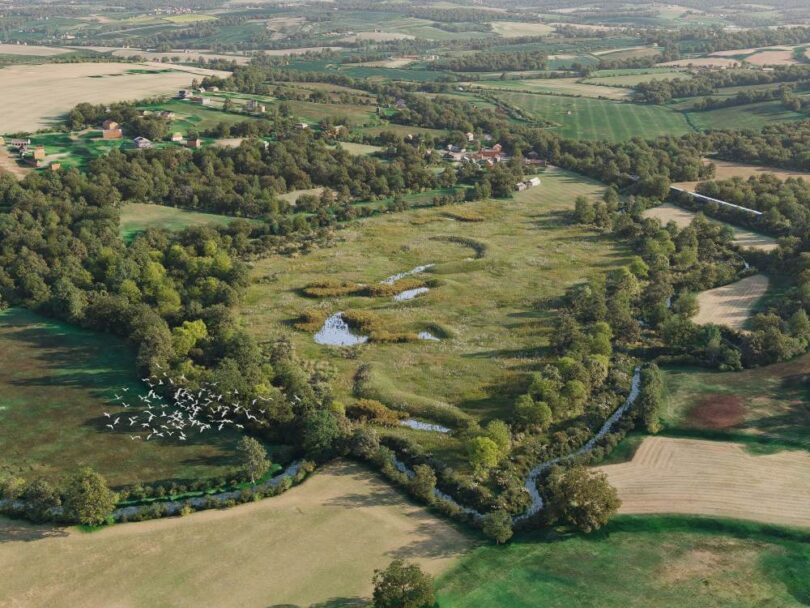
The 17-hectare site, located within Tunbridge Wells Borough Council and the High Weald National Character Area, forms part of Wates Wildscape, a business launched by Wates Land & Development to deliver high-quality biodiversity habitat sites across the UK for developers requiring off-site BNG solutions.
Previously low-quality agricultural land, the Ashurst site is being transformed into a diverse landscape featuring species-rich grasslands, scrub, woodland, hedgerows and ponds. Bordering the River Medway, the project will also include riparian planting designed to enhance habitats while improving local water quality.
Long-term commitment to habitat creation
Under England’s Biodiversity Net Gain legislation, most new developments must leave biodiversity in a measurably better state than before development. Where developers cannot achieve this entirely on-site, they can purchase off-site biodiversity units from dedicated habitat projects such as Ashurst.
The site is expected to generate more than 105 Biodiversity Net Gain units while being managed under a 30-year habitat management commitment to ensure long-term ecological benefits.
Simon Kennedy, Associate Director at Wates Wildscape, said:
“Wates Wildscape is an integral part of our sustainability strategy and was launched to create habitats that genuinely flourish. That requires a partner who brings both ambition and deep, practical expertise to the table and Cura Terrae’s track record, including its work with Natural England and its green infrastructure team, assured us that they were the right fit.
“With a 30-year management commitment attached to the scheme, working with a specialist contractor gives us the confidence that what we’re creating at Ashurst will genuinely deliver for nature.
“As developers ourselves, we understand what fellow developers need and the commercial, planning and delivery challenges involved. By creating off-site, nature-based BNG solutions, we will provide compliant solutions for developers to meet regulatory obligations. We are committed to building and investing in high-quality biodiverse spaces and Ashurst is a first in what we intend to be a national network of dedicated habitat sites.”
Supporting nature recovery
Cura Terrae designed the habitat strategy using its multidisciplinary environmental expertise to create a landscape intended to mature over several decades.
Andy Ainsworth, Practice Area Lead – Green Infrastructure at Cura Terrae, said:
“At Cura Terrae, we believe habitat creation is a long-term commitment, not a one-off exercise. The site at Ashurst has been carefully designed by our multi-disciplinary team to evolve, from the earthworks happening now through to a thriving, self-sustaining landscape in the coming decades. That’s what genuine biodiversity gain looks like.”
Wates said the Ashurst project is intended to become the first of a wider national network of biodiversity habitat sites, combining environmental delivery with planning expertise to support both ecological restoration and sustainable development.
Read more about Biodiversity Net Gain requirements.