


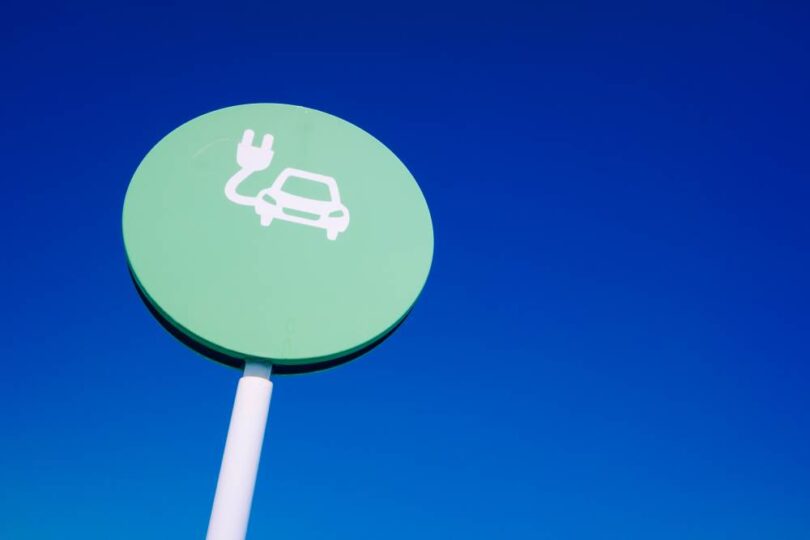
EV signage across the UK road network is under review following a call for evidence from the Office for Zero Emission Vehicles (OZEV) on how electric vehicle charging infrastructure is signposted nationwide. Charging operators and EV advocacy groups have responded by calling for clearer and more consistent wayfinding standards to improve visibility of public charging points.
In a coordinated response, InstaVolt, char.gy, Electric Vehicles UK and Octopus Electric Vehicles are calling for EV charging to be treated on an equal footing with petrol in national road sign regulations, and for clear, consistent signage to be rolled out across motorways, A-roads and residential streets.
EV Signage and Infrastructure Visibility
Consumer polling referenced in industry submissions suggests that over half of drivers actively look for roadside signs when searching for EV chargers, and that nearly nine in ten consider clear physical signage to be important.
Delvin Lane, CEO of InstaVolt, said:
“We welcome OZEV’s call for evidence on EV signage as a really positive step towards fixing one of the most overlooked barriers to EV uptake. Right now, EV charging locations are treated very differently to petrol stations in the rules that govern road signs. That means thousands of high-quality public chargers are installed, operating, but not obviously signposted from key routes. If we want drivers to feel confident going electric, that has to change.”
Stakeholders have also highlighted the need for signage policy to extend beyond rapid charging hubs on strategic roads to include residential, on-street and lamppost charging infrastructure.
Policy Context and EV Transition
The UK Government has set targets to phase out the sale of new petrol and diesel cars later this decade, placing increased emphasis on charging accessibility and network reliability. While public charge point numbers have grown in recent years, confidence in infrastructure visibility remains part of the wider transition challenge.
Responses to the OZEV consultation are expected to inform potential updates to national road sign guidance, including standards applied by National Highways and local authorities. Further reporting on transport decarbonisation and electric mobility policy can be found in our Transport coverage.