

1. Preliminary Ecological Assessment (PEA)
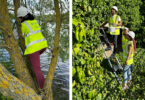
Understanding the biodiversity baseline of a site is essential. A preliminary ecological assessment, which includes a habitat condition assessment, provides the data needed to calculate baseline biodiversity. These assessments are often required during planning applications and help developers identify existing ecological strengths and weaknesses.
2. Early Engagement with an Ecologist
Involving an ecologist at the early design stage allows developers to test different layouts and choose options that minimise ecological harm. Early collaboration also reduces delays, ensures surveys are carried out within seasonal windows, and helps achieve higher biodiversity gains more cost-effectively.
3. Plant Native Trees and Vegetation
Planting native species aligned with the surrounding landscape enhances biodiversity more effectively than introducing non-native species. Protecting and improving existing habitats, where possible, is usually more beneficial than replacing them with new plantings elsewhere.
4. Test the Soil
Soil testing is crucial for both structural and ecological reasons. Beyond informing construction stability, understanding soil chemistry and structure ensures that selected plant and tree species are compatible with the site. For example, nutrient-rich soils may not support certain meadow habitats, which thrive in nutrient-poor conditions.
5. Build in Green and Blue Infrastructure
Flood resilience can be enhanced by integrating green and blue infrastructure, such as ponds, wetlands, rain gardens, and green roofs. These features mimic natural water cycles, absorb rainfall, reduce pressure on drainage systems, and provide additional ecological habitats while lowering flood risks.
6. Urban Cooling
Urban cooling features, including green walls, green roofs, and shaded tree planting, mitigate the Urban Heat Island effect. These strategies improve living conditions, reduce reliance on air conditioning, and deliver health and air quality benefits while strengthening ecological diversity.
Avoiding Common Mistakes
Developers sometimes face setbacks when biodiversity is treated as an afterthought. Common mistakes include missing baseline surveys, ignoring key seasonal windows for ecological studies, and neglecting long-term habitat management. Early ecological planning reduces risks and ensures more sustainable, resilient developments.