

Demand for rooftop solar in the UK is accelerating as households seek protection from volatile global energy markets, with new data showing a sharp rise in consumer interest following recent geopolitical disruptions.
Solar installation enquiries have increased by 27% since the escalation of conflict in the Middle East, according to figures from Octopus Energy, as rising gas prices continue to drive energy costs higher.
Gas prices have surged by more than 60% since late February, reinforcing concerns about the UK’s exposure to international fossil fuel markets and prompting homeowners to explore alternatives.
Record growth in solar adoption
Industry data from the Microgeneration Certification Scheme (MCS) indicates that 2025 marked a record year for solar installations in the UK.
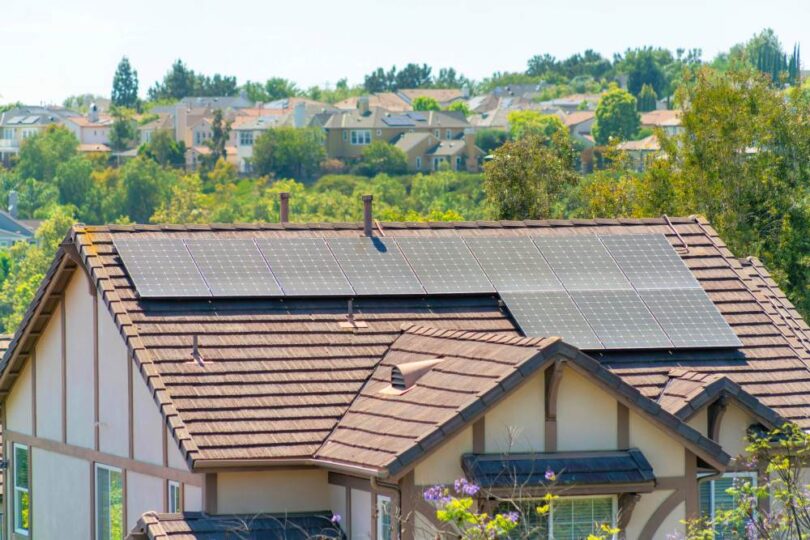
More than 260,000 homes installed solar panels during the year, bringing the total number of solar-powered households to approximately 1.85 million.
The growth reflects increasing consumer interest in energy independence, as well as ongoing efforts to reduce reliance on grid electricity and fossil fuels.
Battery storage adoption accelerates
Alongside solar installations, battery storage uptake is rising rapidly, with installations nearly doubling year-on-year.
Battery systems enable households to store excess electricity generated during the day and use it during peak demand periods, improving efficiency and reducing reliance on higher-cost grid electricity.
This combination of solar generation and storage is becoming a key component of residential energy strategies, particularly as electricity price volatility increases.
Cost savings and energy resilience
Financial considerations remain a major driver of adoption. According to the UK Department for Energy Security and Net Zero (DESNZ), households installing rooftop solar panels could save around £500 annually on energy bills.
Rebecca Dibb-Simkin, Chief Product Officer at Octopus Energy, said the recent surge reflects a broader shift in how households view energy.
“We are seeing a fundamental shift in the national psyche when it comes to energy. With the second energy market shock in less than five years, homeowners are looking for security,” she said.
“This surge in solar interest suggests people now see their rooftops as a frontline of their financial resilience. By generating their own power, they can help to insulate their bank accounts against global energy crises.”
Households adapting to new energy realities
Homeowners are increasingly combining solar panels with smart tariffs and battery systems to optimise energy use.
One example is a household in Norwich that installed solar panels alongside battery storage, allowing them to charge during lower-cost periods and use stored energy when prices are higher.
This approach highlights how distributed energy technologies are enabling households to take greater control over their energy consumption and costs.
Energy transition at household level
The growth in residential solar reflects a broader shift in the UK energy system, where decentralised generation and consumer participation are becoming more prominent.
As energy price volatility continues and geopolitical risks persist, household-level energy solutions are likely to play an increasingly important role in improving energy security and reducing exposure to global fossil fuel markets.