


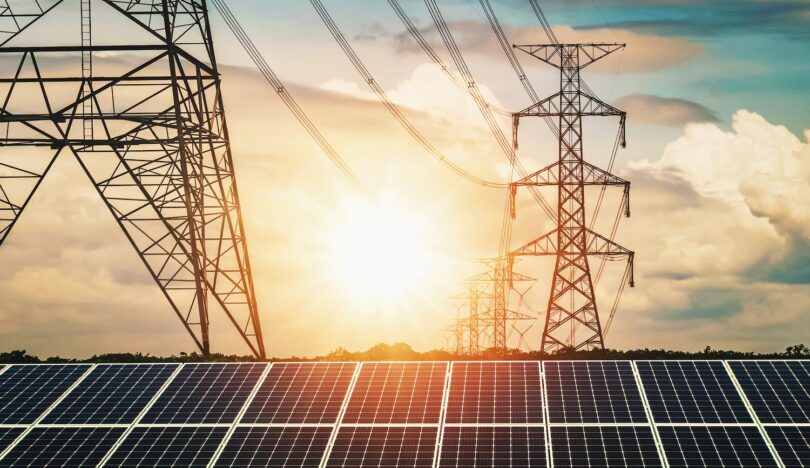
Sustained warm weather and a continued rise in renewable electricity output is likely to send negative power prices soaring to record levels.
That’s the headline view expressed by experts in a new report on Britain’s power generation market by Montel Analytics.
In the last four years, average month-on-month temperature changes from Q2 to Q3 have ranged from 5°C to 16°C, the study said, but this year temperatures rose from 8°C at the start of Q2 to 16°C by the end of June – a level significantly warmer than seasonal norms.
Phil Hewitt, Director at Montel Analytics said:
“If current trends persist, the total number of negative price events in Q3 could exceed the 134 occurrences recorded in Q3 2024, as suggested by recent seasonal patterns. The expected rise in negative pricing highlights the growing influence of renewable capacity on the market. As intermittent generation continues to expand, periods of excess supply relative to demand are becoming more frequent, amplifying downward price pressure during low demand intervals.”
The report said the increase in renewable output and warmer-than-average temperatures were key factors in reduced system demand and lower gas prices in Q2.
Gas prices started the quarter at £35.10/MWh before continuing the general downward trend observed since early February, reaching a quarterly low of £25.66/MWh by 10 May. From that point, prices began to rise steadily, albeit with intermittent dips through the rest of May. In June, they climbed to a near peak of £34.02/MWh before declining sharply in the final week, ending the quarter at £26.61/MWh. The general decline over the quarter was driven largely by unseasonably warm weather, which eased system demand, and by optimism surrounding US-mediated peace talks between Russia and Ukraine.
Average wholesale electricity prices in Q2 rose year-on-year, increasing from an average of £66.17/MWh in Q2 2024 to an average of £71.61/MWh. However, in several instances they dipped below zero during periods of high renewable output and low demand.
Phil Hewitt said:
“The downward pressure on gas prices may persist into the third quarter of the year, provided that geopolitical tensions – particularly in the Middle East – remain stable, as any escalation could drive gas prices upwards. Additionally, wholesale electricity prices are likely to dip below £0/MWh during any periods where high renewable output and low demand are observed.
“Prices during Q3 will evolve to reflect any related geopolitical events, changes in the macroeconomic outlook, weather patterns that may affect demand and renewable output and any unplanned events relating to power station and interconnector availabilities which may affect the balance between supply and demand. Reports of cracks in some French nuclear units, and any reductions in output deemed necessary to address this issue, may tighten the supply-demand balance and therefore have the effect of pushing up prices.”
Renewables (wind, solar, biomass, hydro) generated 32.5TWh of power in the second quarter. This represented 51% of Britain’s fuel mix and was driven by high levels of solar and wind output. The 7.2TWh generated from solar units marks a record high since the beginning of Montel’s data series in 2014, while the 17.6TWh from wind farms represents the highest Q2 output in more than a decade.
High renewable output contributed to low levels of CCGT-fired generation, which at 14TWh, was the second-lowest total recorded for any Q2 since 2014 and represented just 22% of Britain’s power mix. Nuclear (15%) and imports (12%) accounted for the rest.