

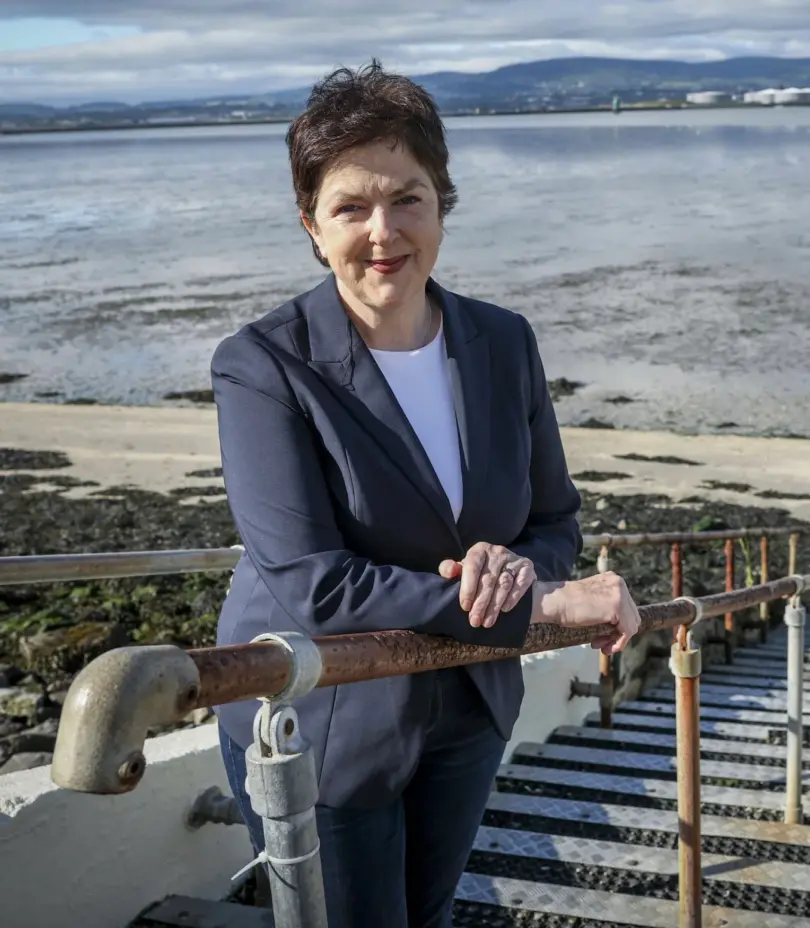
The European Academies’ Science Advisory Council (EASAC) has called for greater attention to the global water security crisis, using the Paris Agreement anniversary to take stock days before the COP31 climate summit opens in Antalya on Monday. Prof. Fiona Regan, Co-Chair of EASAC’s Environment Steering Panel, said rising temperatures are already putting pressure on rivers, reservoirs and coastlines.
Paris Agreement anniversary marks ten years in force
The Paris Agreement entered into force on 4 November 2016. EASAC describes it as the pledge by nearly 200 nations to keep global warming below 1.5 degrees.
A decade later, EASAC said, the hope of Paris faces a hard reality check. According to the council, temperatures keep breaking records and fossil fuels remain absent from the negotiating agenda. The talks are held under the United Nations Framework Convention on Climate Change.
A climate crisis that is also a water crisis
Prof. Regan said the effects of warming are visible in water systems.
“The climate crisis is a water crisis. Every fraction of a degree increase leads to an increased threat to our water security. This is a crisis that I see building in our rivers, reservoirs and coastlines every day,” she said.
Droughts, floods and pressure on communities
Prof. Regan linked the Paris Agreement’s legacy directly to the risks of more frequent extremes.
“At a time when the legacy of the Paris Agreement remains more relevant than ever, I believe it is imperative that we elevate awareness of the growing global water security crisis. With every fraction of a degree of warming, the risks of droughts and floods intensify, placing increasing pressure on communities, ecosystems and livelihoods worldwide. The urgency to act has never been greater,” she said.
She argued that water cannot be treated as a separate policy area. “Water security is not a challenge that can be considered in isolation; it is fundamental to climate resilience, human security and global prosperity. If we are to safeguard our collective future, we must recognise that every fraction of a degree matters, and every action counts.”
Calls for collective action at COP31
Prof. Regan also addressed the political context of the summit. She said the climate crisis is tied to wider questions of security and prosperity.
“COP31 convenes at a time of growing global instability, with multilateralism under strain and multiple crises and conflicts unfolding around the world. Yet the climate crisis cannot be separated from the challenges of security and prosperity; it underpins them all. If COP31 achieves one thing, it must be to show that nations can set aside their differences and choose collective action over division, and a shared future over competing interests,” she said.
Science advice for European policymakers
EASAC is formed by the national science academies of the EU Member States, Norway, Switzerland and the United Kingdom. Through the council, the academies work together to give independent, evidence-based advice on the scientific aspects of European policies to those who make or influence policy within the European institutions.
The council is based in Vienna, hosted by the Austrian Academy of Sciences. Its statement on the Paris Agreement anniversary places water security at the centre of the issues it wants addressed at COP31.
Frequently asked questions
When did the Paris Agreement enter into force?
The Paris Agreement entered into force on 4 November 2016. EASAC describes it as a pledge by nearly 200 nations to keep global warming below 1.5 degrees.
Where and when does COP31 take place?
According to EASAC’s statement of 4 November 2026, COP31 opens on Monday in Antalya.
Who is Prof. Fiona Regan?
Prof. Fiona Regan is Co-Chair of the Environment Steering Panel at the European Academies’ Science Advisory Council (EASAC).
Why does EASAC link climate change to water security?
Prof. Regan said that every fraction of a degree of warming increases the threat to water security and intensifies the risks of droughts and floods. She described water security as fundamental to climate resilience, human security and global prosperity.
What is EASAC?
EASAC is formed by the national science academies of the EU Member States, Norway, Switzerland and the United Kingdom. It gives independent, evidence-based scientific advice to European policymakers.