

UK-based biochar producer Black Bull Biochar (BBB) has secured £4 million in late seed funding to expand its production capacity in the North West of England and accelerate its entry into northern European markets.
The funding round was co-led by TSP Ventures and the Greater Manchester Combined Authority (GMCA) Investment Fund, with participation from Old College Capital. The raise includes £2 million in equity alongside £2 million in debt financing from Innovate UK’s Future Economy Facility.
Scaling biochar production and renewable industrial heat
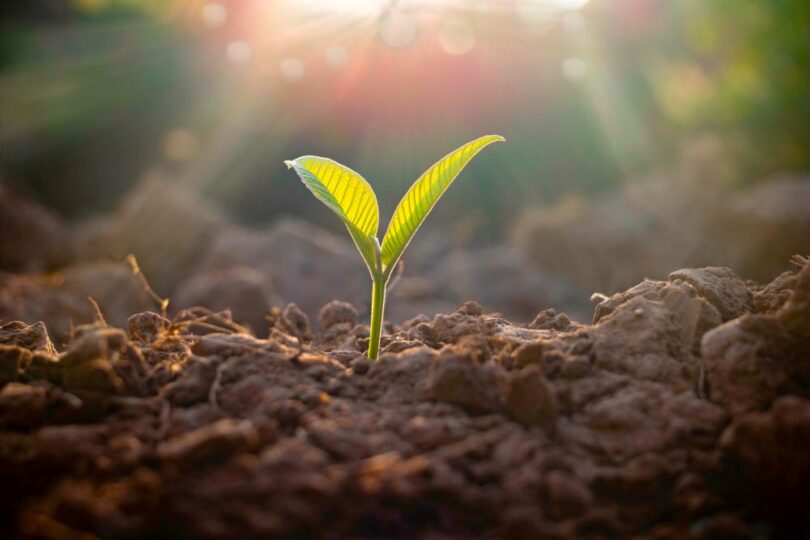
Black Bull Biochar produces biochar through the pyrolysis of sustainably sourced biomass, generating renewable heat for industrial applications while creating a stable, carbon-rich material that can be applied to agricultural soils. Biochar is widely recognised for its ability to improve soil structure, enhance nutrient retention, and store carbon over long time periods.
The new funding will support the development of additional production sites, expanded research and development capacity, and the relocation of BBB’s headquarters from London to Manchester. The company has also recently established a subsidiary in Denmark as part of its European growth strategy.
BBB is currently working on projects with organisations including Avara Foods, Marks & Spencer, Ahlstrom, A.W. Jenkinson and Arla Foods, focusing on agricultural resilience, renewable heat, and emissions reduction.
Carbon removal and agricultural resilience
Demand for durable carbon removal credits has increased rapidly in recent years, with global offtake values reaching approximately $1.5 billion in 2024, up from $815 million in 2023. Biochar is increasingly viewed as a scalable carbon removal pathway due to its ability to lock carbon into soils while delivering agronomic benefits.
When applied with organic fertilisers, biochar can improve long-term soil productivity, increase crop yields, and reduce nutrient losses, helping farmers manage rising input costs and regulatory pressures while reducing on-farm emissions.
Alex Clarke, Chief Executive Officer and co-founder of Black Bull Biochar, said:
“Farmers are under pressure from rising costs, tighter nutrient regulations and the need to build more resilient soils. Our focus is on delivering practical tools that integrate into existing systems, strengthening soil health while supporting long-term carbon storage.
This investment allows us to scale production in the North West, expand into Denmark and work more closely with agricultural producers and industrial partners.”
Supporting regional industrial transition
BBB’s expansion in the North West of England aligns with wider efforts to support low-carbon re-industrialisation, bringing clean energy manufacturing, engineering and agri-technology activity into former industrial regions. By combining renewable industrial heat with local biochar production, the company aims to support regional productivity while reducing emissions.
Councillor David Molyneux, GMCA lead for Resources and Investment, said:
“Our investment in Black Bull Biochar supports economic growth, job creation and innovation while contributing to Greater Manchester’s ambition to be carbon neutral by 2038. The technology has the potential to deliver scalable environmental impact alongside local supply chain opportunities.”
Research collaboration and European expansion
Black Bull Biochar continues to work closely with the University of Edinburgh, drawing on academic expertise in soil science, carbon removal and biochar functionality. Co-founder Hamish Creber completed his PhD in Soil Sciences at the University, and the collaboration supports scientific validation and optimisation of new biochar products.
The company previously received £3.2 million from the UK Government’s Net Zero Innovation Portfolio following success in the Direct Air Capture and Greenhouse Gas Removal innovation competition run by the Department for Energy Security and Net Zero.
As part of its European strategy, BBB has established its Nordic headquarters in Denmark, where biochar is formally recognised as a carbon removal technology. Denmark’s regulatory framework and climate policy support large-scale deployment of pyrolysis and biomass-based solutions.