

Water utility climate resilience is emerging as a measurable adaptation priority, with Climate Week NYC highlighting how infrastructure investment, emergency planning and resilience metrics can help essential water systems prepare for more extreme weather.
Trust in Water is using this year’s Climate Week NYC to draw attention to the way water utilities measure their ability to withstand and recover from climate-related disruption.
One benchmark is the American Water Works Association’s Utility Resilience Index, which assesses areas including operational capability, emergency response, business continuity and the ability to restore services following an incident.
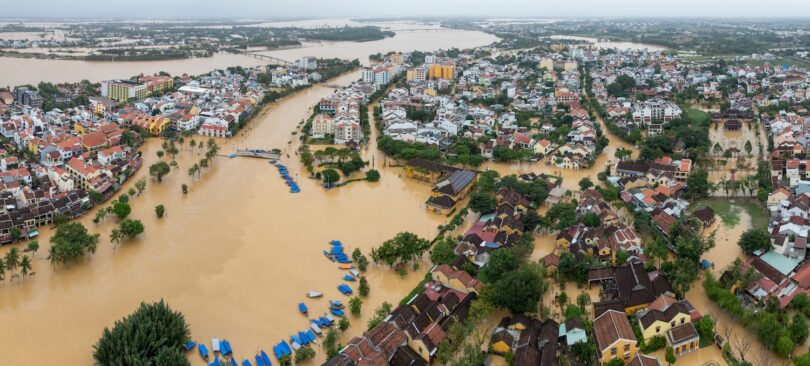
The discussion comes as utilities face growing pressure from heavy rainfall, flooding, drought, extreme temperatures and other climate-related hazards that can affect treatment, distribution and wastewater infrastructure.
Water utility climate resilience becomes measurable
Climate adaptation is increasingly moving beyond broad commitments towards measurable assessments of how infrastructure performs under stress.
The American Water Works Association’s J100 Risk and Resilience Management standard is designed to help water and wastewater utilities assess risks and make decisions about how limited resources should be allocated to improve resilience.
Trust in Water argues that metrics such as the Utility Resilience Index can help utilities track whether investments in assets, emergency preparedness and operational planning are improving their ability to cope with disruption.
Peter Grevatt, Chief Executive Officer of The Water Research Foundation and Trust in Water Leadership Council member, said:
“Climate resilience in the water sector comes down to whether utilities are making careful plans and preparations to address the new challenges they will face from the rapidly changing climate. All water utilities including private, regulated providers are held to that standard and are measuring against it. The results show what sustained investment and professional emergency planning can do for a community.”
American Water reaches resilience target ahead of 2030
American Water set a goal in 2020 to increase its weighted-average Utility Resilience Index score by 10% by 2030.
The company now lists the target as achieved, five years ahead of schedule. Its resilience programme measures its ability to prepare for, respond to and recover from incidents affecting customers, employees and infrastructure. :contentReference[oaicite:0]{index=0}
American Water attributes progress to infrastructure investment, emergency planning, workforce training and wider operational improvements.
The company also expects to invest between $46 billion and $48 billion over the next decade in areas including infrastructure repair and replacement, system resilience and regulated acquisitions. :contentReference[oaicite:1]{index=1}
That level of investment illustrates the scale of capital required to adapt critical infrastructure to changing environmental risks.
Climate adaptation depends on infrastructure investment
Water systems are particularly exposed to climate impacts because extreme weather can affect water availability, treatment processes, power supply, physical assets and distribution networks simultaneously.
Heavy rainfall and flooding can overwhelm infrastructure, while prolonged drought can reduce available water resources and place additional stress on supply systems.
Building resilience therefore involves more than emergency response. Utilities may need to renew ageing assets, improve redundancy, strengthen monitoring, train staff and ensure financing is available before extreme events occur.
This reflects a wider trend explored by Climate Global News in its coverage of rising climate risk in 2026, where infrastructure disruption from floods, heatwaves, storms and drought is becoming an increasing concern for businesses and essential services.
Climate Week NYC brings adaptation into wider climate debate
Climate Week NYC 2026 is taking place from 20–27 September, bringing businesses, governments, investors and civil society organisations together around climate action, finance and infrastructure. :contentReference[oaicite:2]{index=2}
The event’s agenda spans decarbonisation and clean technology, but adaptation and resilience are also becoming increasingly important as organisations respond to climate impacts that are already affecting infrastructure and communities.
For water utilities, that means assessing not only how to reduce environmental impacts, but how to ensure essential services remain available as weather patterns become more disruptive.
For more coverage of the relationship between climate change and water systems, visit Climate Global News’ Earth & Nature and Water & Ocean sections.
Source: Trust in Water