


Namibia’s green hydrogen and energy transition fund, SDG Namibia One, has signed a development funding agreement with clean energy developer Zhero Europe to advance an industrial-scale green ammonia project near Walvis Bay.
The agreement commits up to USD 5.15 million in development-stage funding to support feasibility studies, technical design and project preparation activities for the Zhero Molecules Walvis Bay Project, ahead of a targeted final investment decision in 2027. Commercial operations are expected to begin in 2030.
Blended finance supporting Namibia’s energy transition
SDG Namibia One Fund, also known as Climate Investor Three Namibia, is managed by Climate Fund Managers (CFM) in partnership with Dutch development finance institution Invest International and the Environmental Investment Fund of Namibia.
The Fund is backed by the European Union’s Global Gateway investment strategy and Invest International, and focuses on mobilising public and private capital into Namibia’s green hydrogen and energy transition sectors.
The development funding is intended to reduce early-stage project risk and support the project’s progression towards large-scale private investment during the construction phase.
Green ammonia production and emissions impact
Once operational, the Zhero Molecules Walvis Bay facility is expected to produce up to 500,000 tonnes of green ammonia annually, with the potential to avoid approximately 1.2 million tonnes of CO2 emissions per year.
The project is designed to support global decarbonisation markets, including fertiliser production, maritime fuels and industrial feedstocks. Green ammonia is increasingly viewed as a key solution for reducing emissions in hard-to-abate sectors where low-carbon alternatives remain limited.
The development is also expected to contribute to Namibia’s socio-economic objectives, creating an estimated 6,000 direct jobs during construction and around 500 permanent roles during operations, alongside opportunities for local suppliers and service providers.
Integrated renewable energy and water infrastructure
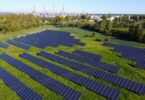
The project will be powered by an integrated renewable energy system comprising approximately 3 GW of solar photovoltaic capacity, 2.2 GWh of battery energy storage and a 1.6 GW electrolyser system, supported by around 110 kilometres of new transmission infrastructure.
A dedicated desalination plant is planned to supply water for hydrogen production, addressing freshwater constraints in the coastal region and aligning with Namibia’s broader water management priorities.
Green ammonia will be produced by combining green hydrogen, generated via renewable-powered electrolysis, with nitrogen extracted from the air. The resulting fuel and chemical feedstock can be used across multiple sectors without direct carbon emissions.
Strategic significance for Namibia and Europe
Darron Johnson, Regional Head of Africa at Climate Fund Managers, said the project aligns with Namibia’s ambition to establish a competitive green hydrogen and ammonia industry:
“The site benefits from exceptional solar resources, ample land availability and direct access to deep-water export infrastructure at Walvis Bay. Through blended finance, SDG Namibia One is providing early-stage capital to help prepare the project for financial close and enable private investment at scale.”
Paolo Gallieri, Chief Operating Officer at Zhero, said the development funding would strengthen the project’s readiness for long-term investment and delivery.
The project also forms part of wider cooperation between Namibia and the European Union on renewable energy and clean industrial development. European Commissioner for International Partnerships Jozef Síkela described the initiative as an example of how Global Gateway support can translate into industrial value, job creation and clean energy supply chains.
SDG Namibia One currently manages approximately EUR 65 million in early-stage development capital and is raising additional funds to support construction-phase investments across Namibia’s green hydrogen and energy transition sectors.